
Short course for industry
Biomedical-Device Infection
Key fundamentals, from bench to bedside, on the general problem of infection associated with tissue-contacting biomedical devices.
Registration opens October 1, 2026
- January 5 - 7, 2027
- Three consecutive days
- 3 x 2 hours
- 1:00 - 3:00 PM New York time
- 16 seats
- Enrollment is capped
- $500
- per participant
The problem
Every tissue-contacting device is a surface bacteria can colonize.
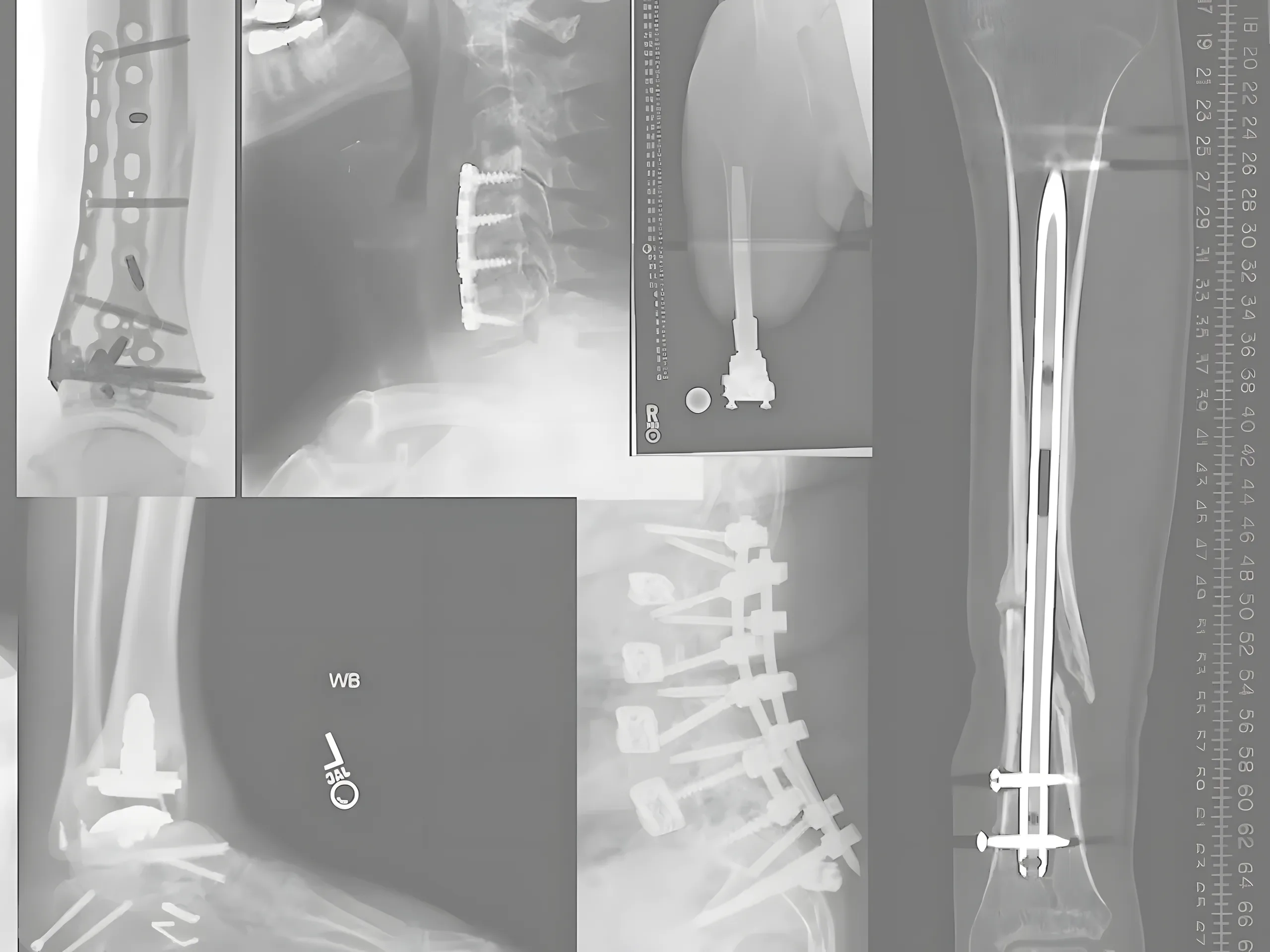
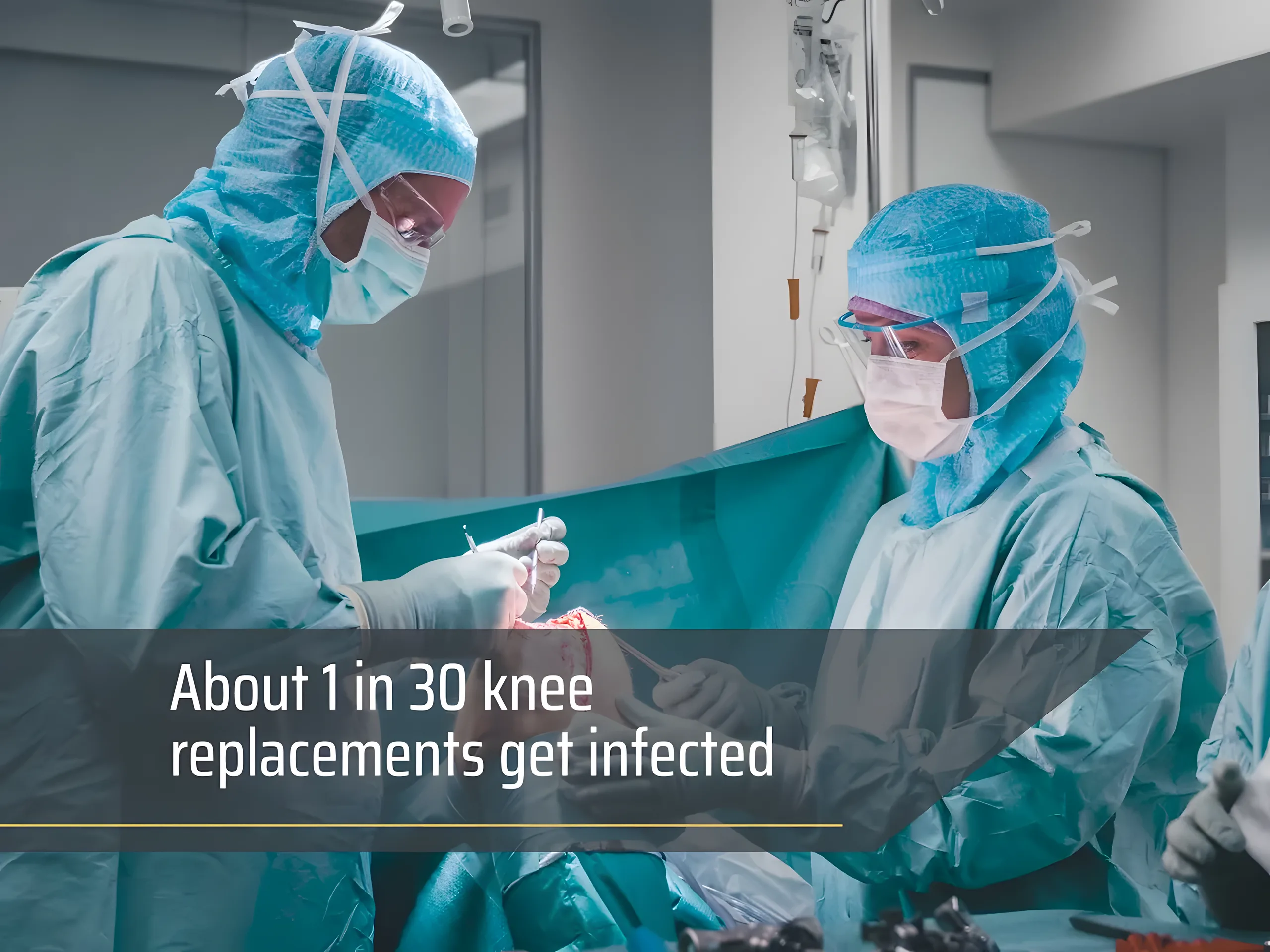
Infection is a failure mode that potentially affects every tissue-contacting biomedical device. This course works the whole problem - the clinical burden, the microbiology, the device itself, the countermeasures, and the regulatory processes that control translation to clinical use.
What you will be able to do
Course Outcomes
The burden
- Describe the impact infection has on patients and on the healthcare system.
The biology
- Differentiate between gram-negative and gram-positive bacteria.
- List some of the key bacteria involved in different device infections.
- Describe bacterial biofilms, their resistance to antimicrobials, and their role in infection.
The device
- Identify different device sterilization strategies and possible sources of contamination.
The response
- Elaborate key R&D areas aimed to prevent, detect, and/or cure device infection.
The proof
- Describe in vitro and in vivo infection models used to evaluate device performance.
- Describe key aspects of the regulatory process in the U.S. and in Europe.
- Recognize why claims of infection resistance are so difficult to prove.
How it runs
Three afternoons in January 2027.
A working group, not a webinar
The group is small by design, so sessions stay conversational.
Academic, clinical and industry faculty
The teaching team is comprised of experts from academia, the industry and the clinical hospitals, so each part of the problem is taught by someone who works in it.
Live, not recorded
Three two-hour sessions on Zoom across three consecutive days, 1:00 - 3:00 PM New York time.
Course faculty
Taught by the people who work the problem.
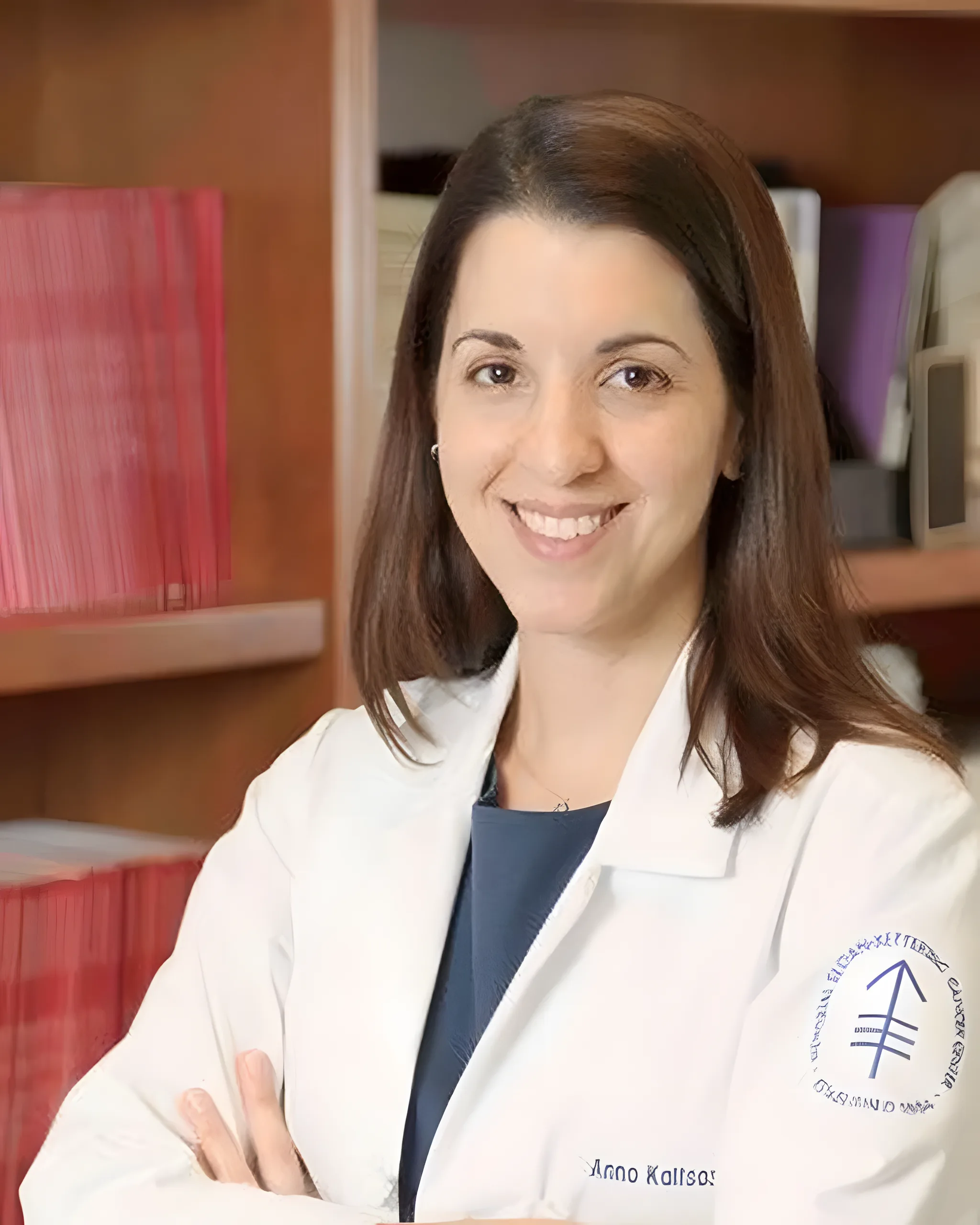
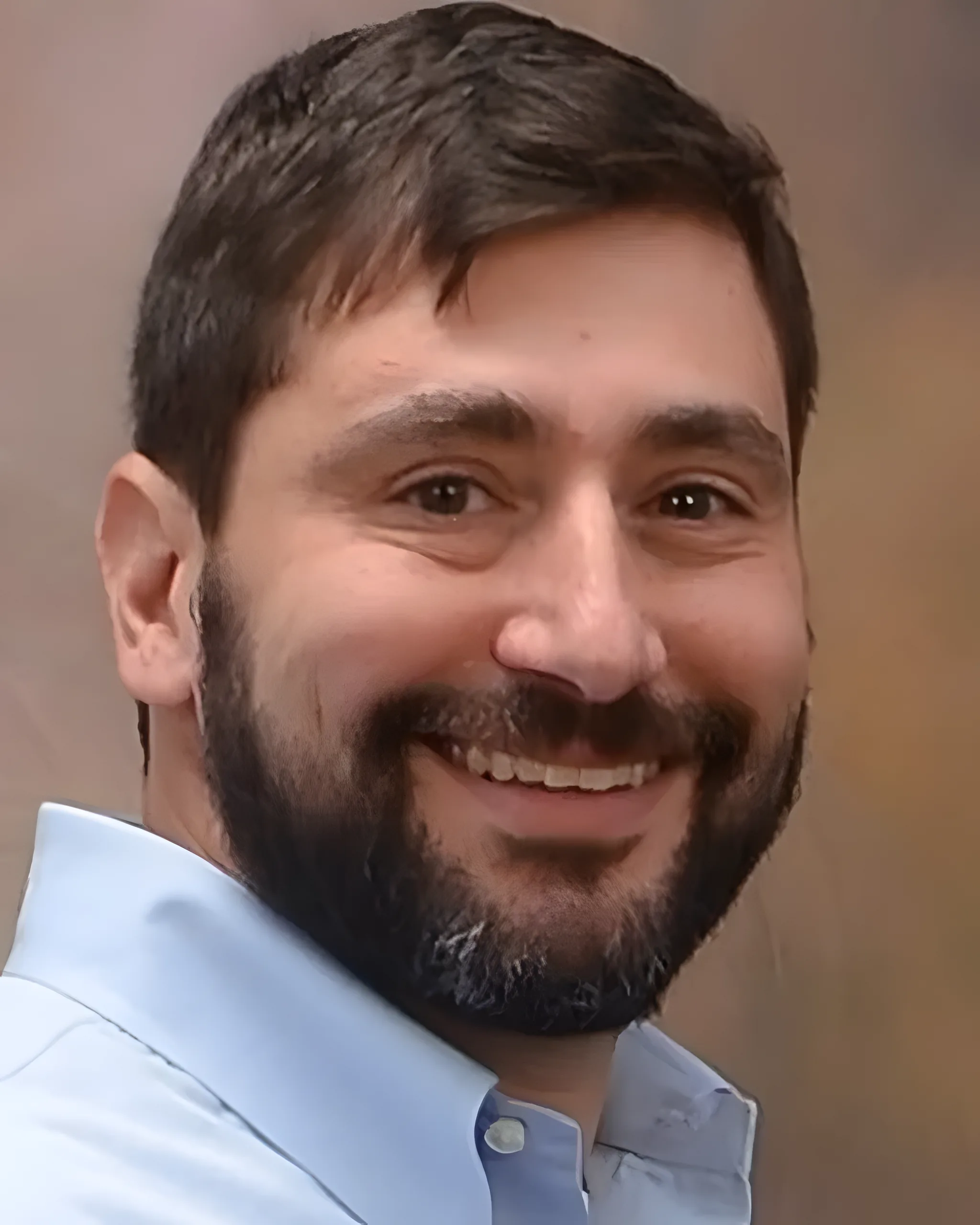
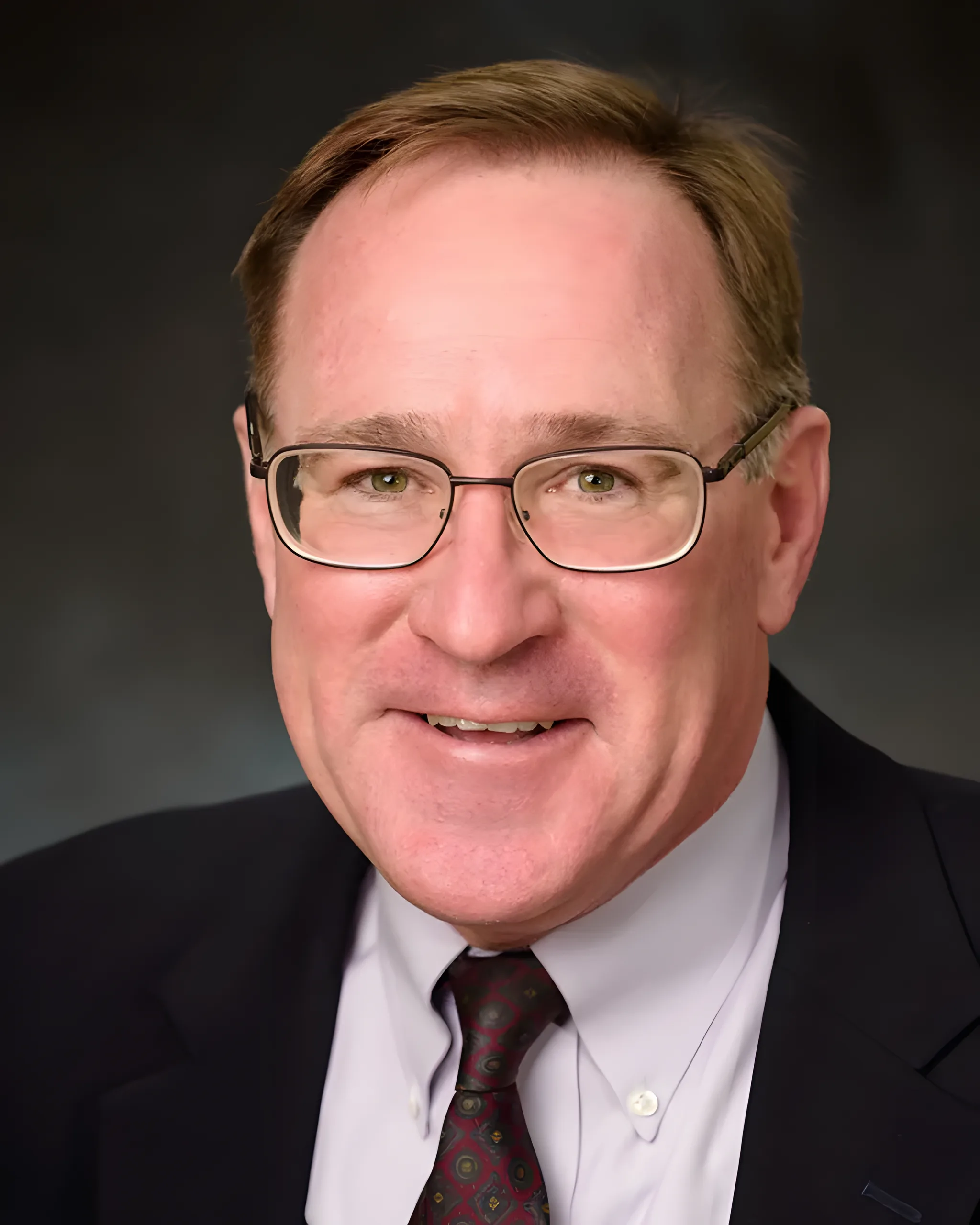
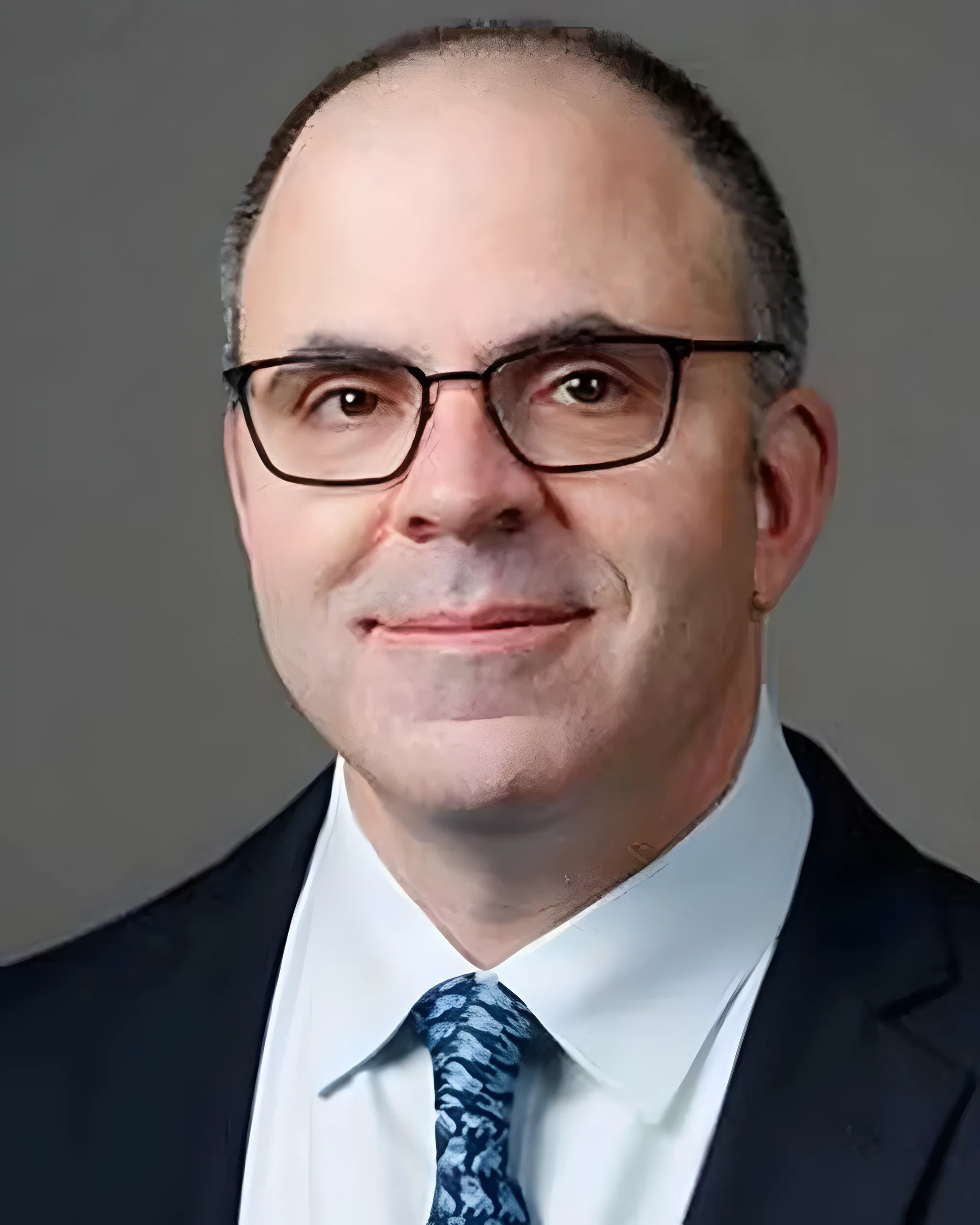
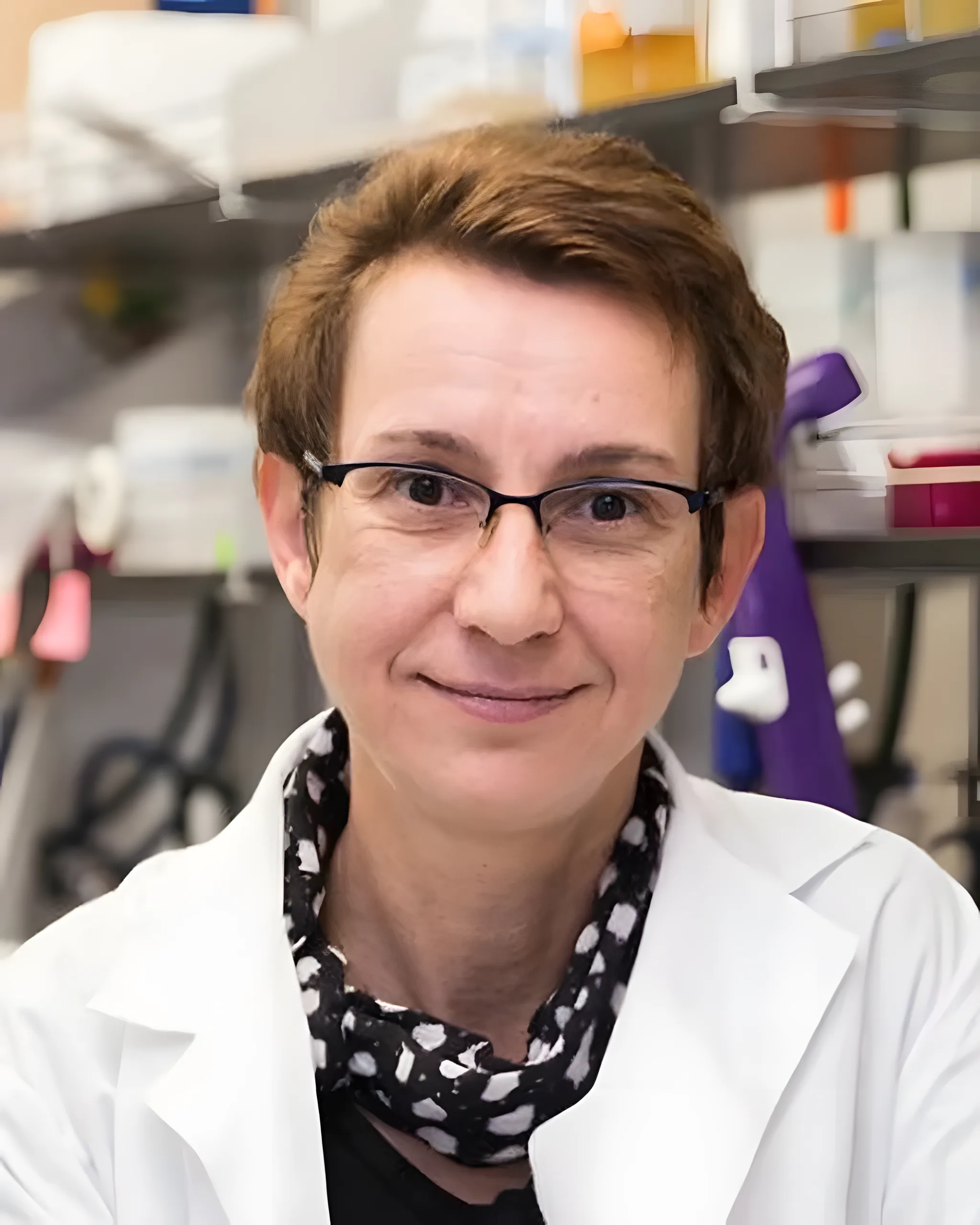
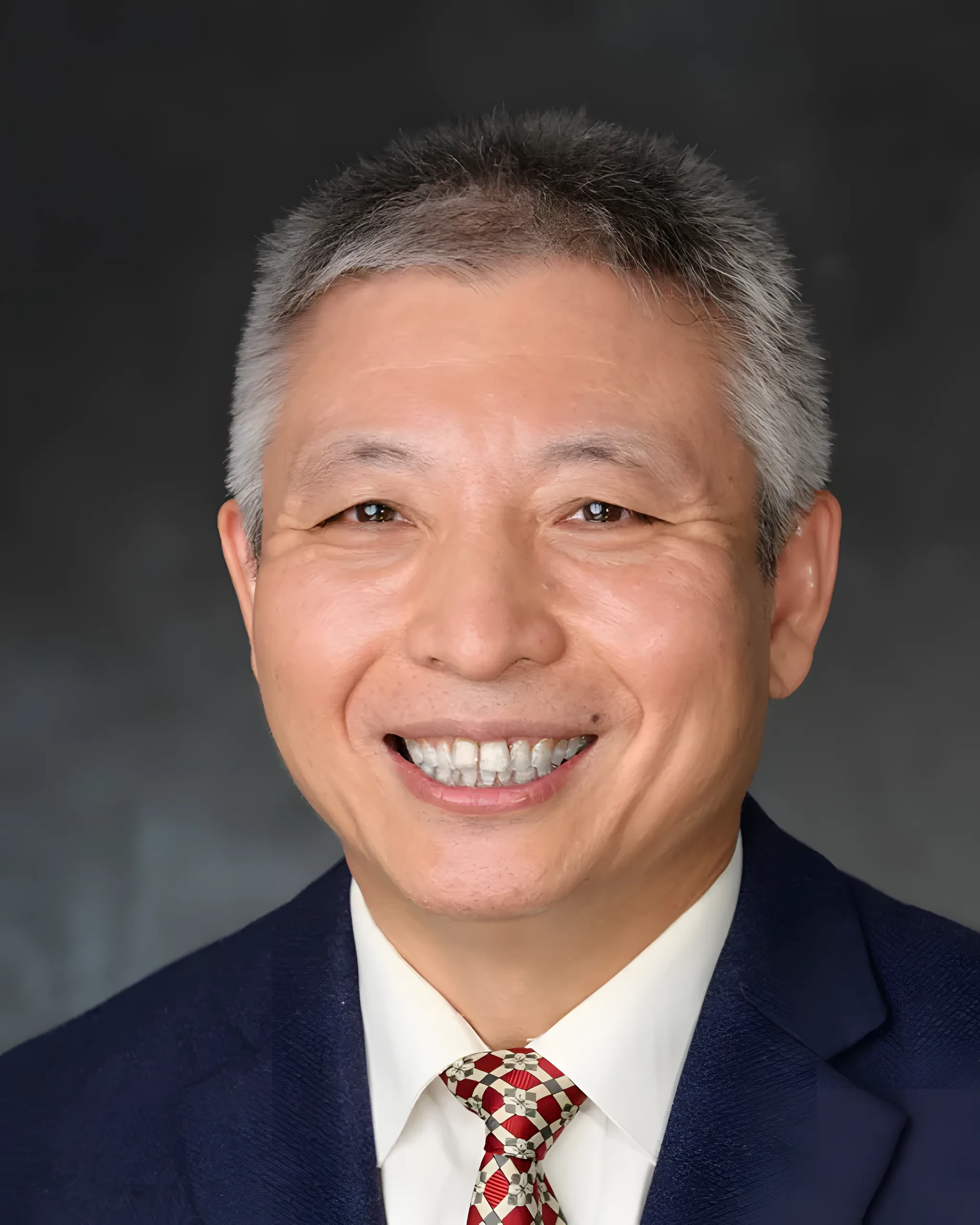
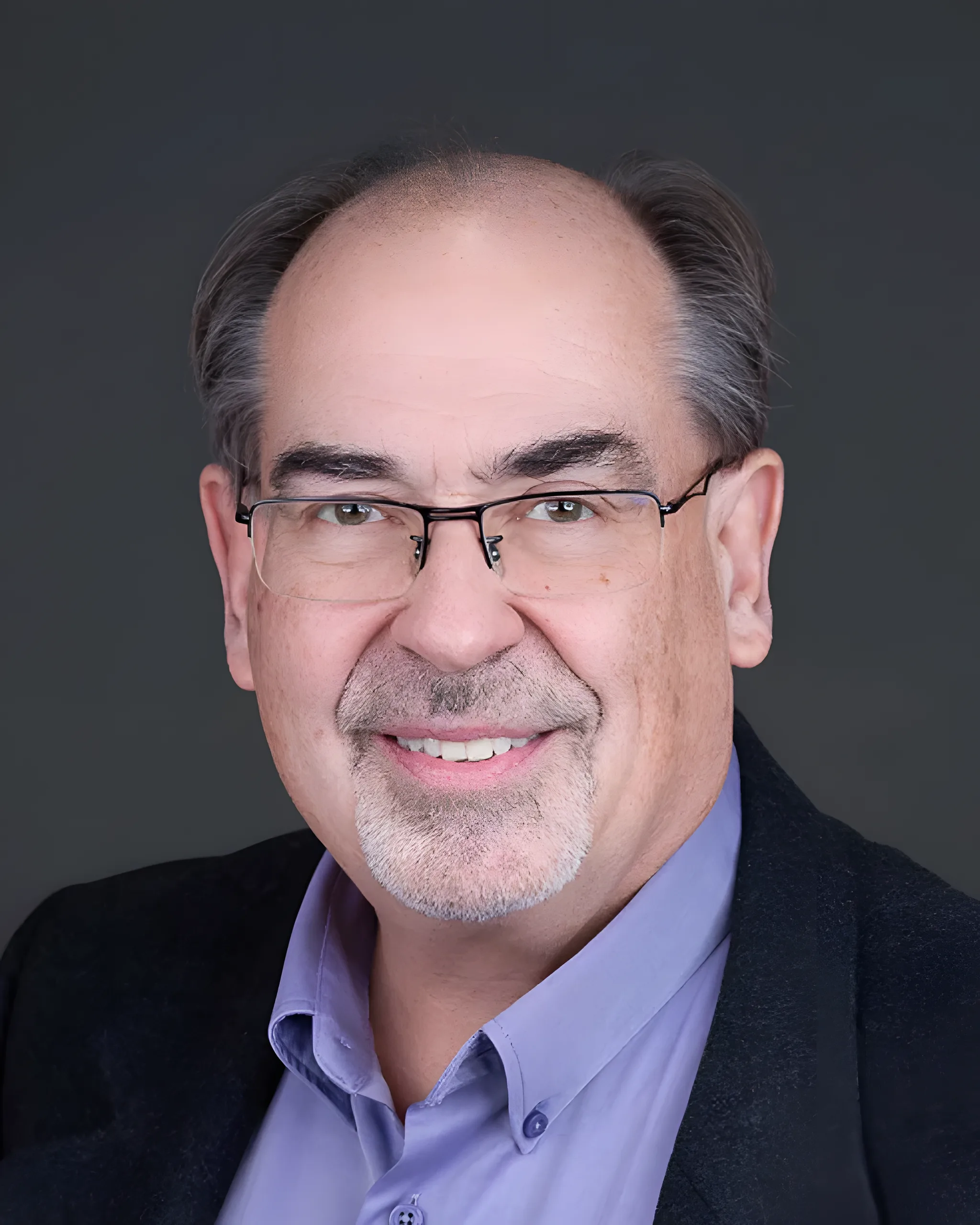
Eight faculty from the hospital, the laboratory and the device industry. Each part of the problem is taught by someone who works in it.
Enroll
Registration opens October 1, 2026.
The initial offering is a three-session short course running in January 2027, and registration closes when the cohort fills. Please join the waitlist to be notified of future offerings.
Tuition
$500
per participant
- Course dates
- January 5 - 7, 2027
- Format
- Live on Zoom
- Enrollment cap
- 16 participants