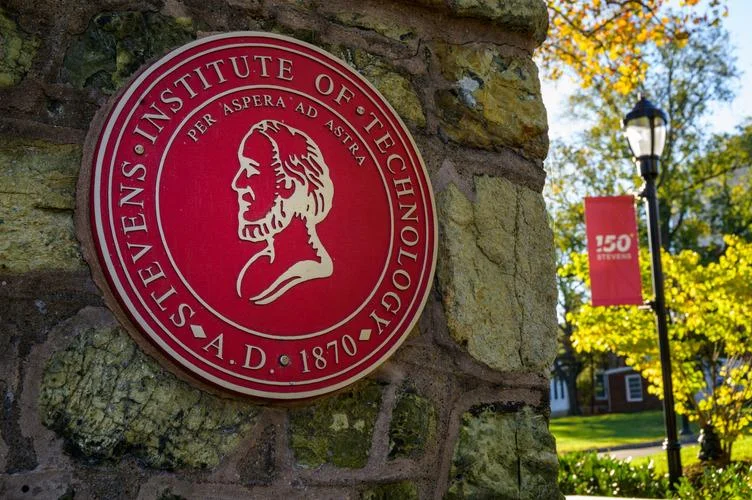
Stevens Ranks No. 30 in TIME’s Inaugural America’s Best Colleges List
September 9, 2026
By Stevens CPE
Stevens ranks No. 30 in TIME’s inaugural America’s Best Colleges list, recognizing student outcomes and the value of a Stevens education.
Stevens Online education blogs are excellent resources for current and prospective students and professionals looking to stay up-to-date on the latest industry developments supported by our programs.
Through our blog, you can access in-depth articles, interviews and other resources that provide valuable insights into the skills and knowledge needed to succeed in today's rapidly-changing business, technology and engineering landscapes. Whether you are considering enrolling in one of our programs, want to explore a new career path or deepen your knowledge in your current field, the Stevens online blog is an excellent source of information and inspiration for you to take advantage of.

September 9, 2026
By Stevens CPE
Stevens ranks No. 30 in TIME’s inaugural America’s Best Colleges list, recognizing student outcomes and the value of a Stevens education.

September 3, 2026
By Stevens Online
The short answer: the two fields differ in emphasis. Computer science focuses on computational methods and the systems themselves, from algorithms and software to the infrastructure that runs them. Data science focuses on using data to build models, find patterns, and support decisions. They share a large foundation and overlap heavily, but the center of gravity of the day-to-day work sits in different places.

September 3, 2026
By Stevens Online
The biggest data science trend of 2026 is not a single technology. It is that the job itself has changed. Three years ago, cloud storage, real-time analytics, and dashboards counted as trends; today they are infrastructure. Data scientists are no longer just building models and writing reports. They are putting AI systems into real business workflows and taking responsibility for how those systems perform, what they cost, and whether they comply.

May 14, 2026
By Naveen Mathews Renji, College of Professional Education
AI tools handle boilerplate, scaffolding, and routine tests, but system design, security, and distributed debugging still require engineers. Here is what the data shows, which roles face real risk, and the skills that compound.

May 14, 2026
By Naveen Mathews Renji, College of Professional Education
AI tools now handle routine SQL, scheduled dashboards, and templated reports. The work growing in demand is question framing, stakeholder communication, and validating AI-generated analysis. Here is what the data shows and which skills to build.

May 14, 2026
By Naveen Mathews Renji, College of Professional Education
Project coordinators and process-heavy middle managers face the highest automation risk. Strategy, change management, and people leadership roles are most protected. Here is how researchers assess the risk and what determines which side you are on.

February 25, 2026
By College of Professional Education
Pursuing a master's degree in business administration, artificial intelligence, computer science, engineering, or data science while working full time is a strategic career move. But before you apply, take a smarter first step: build a clear, business-driven case for employer tuition assistance.

January 7, 2026
By Naveen Mathews Renji
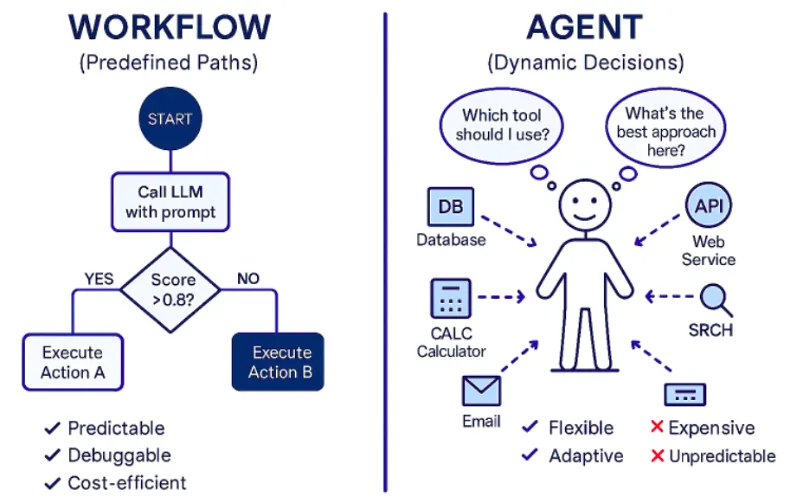
The artificial intelligence landscape is undergoing a fundamental transition. We are moving from stateless, prompt-based interactions to stateful, autonomous agentic systems. This evolution represents a departure from viewing Large Language Models as solitary oracles to treating them as cognitive engines within broader, engineered systems.

January 7, 2026
By Naveen Mathews Renji
To operationalize the agentic shift, developers and architects are coalescing around specific design patterns. These patterns solve the fundamental problems of coordination, error handling, and task decomposition that plague traditional AI implementations.